Wait. She’s actually in Antarctica.
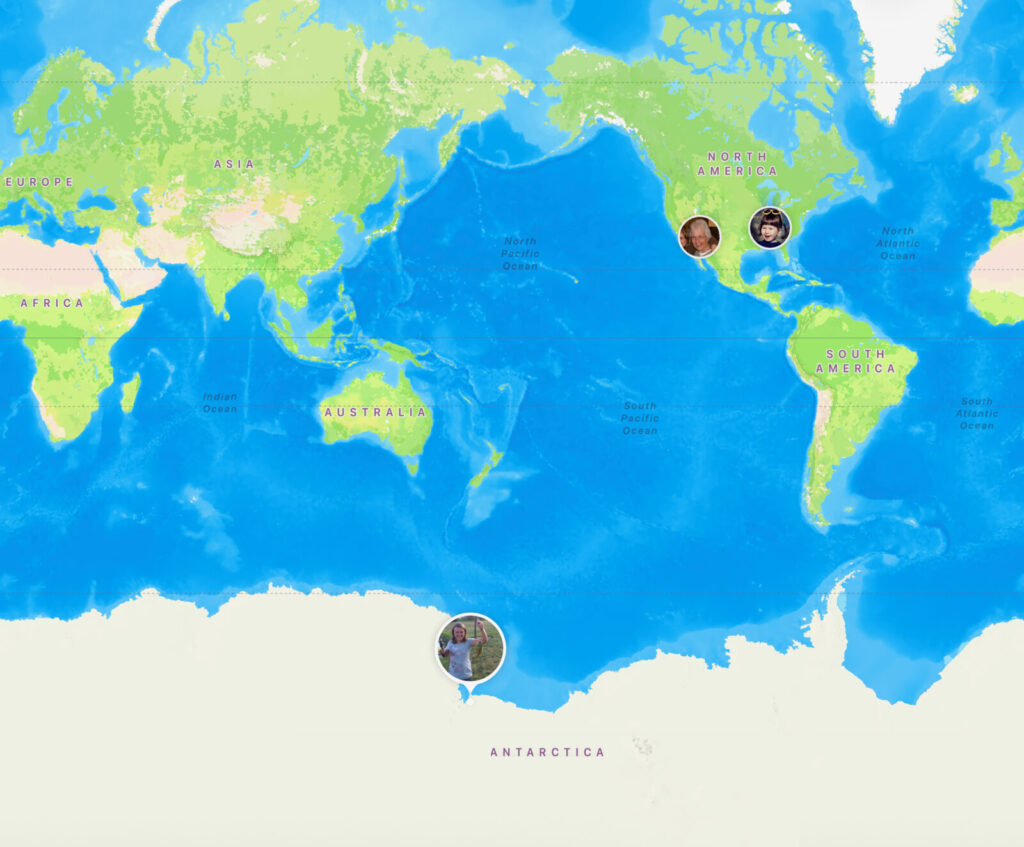
Not visiting. Not on a cruise. Not getting off the ship for three hours to take a penguin selfie.
She is living there.
For six months.
I finally spent some time learning more about Madi’s new home for 6-months. For anyone who hasn’t done their homework on the place, feel free to read on.
The more I read, the stranger and more impressive this whole thing has become.
Antarctica is the coldest, driest, highest and windiest continent on Earth. McMurdo sits at nearly 78 degrees south, about 850 miles from the South Pole, on a volcanic island next to an active volcano! There are stretches when the sun never sets, stretches when it barely rises, winds that can make Tennessee tornado weather seem like Mother Nature is just clearing her throat, and of course no Ubers.
And speaking as a guest blogger – as a completely unbiased observer who just happens to be her father – I have to admit there’s something pretty darn cool about knowing that one of the people getting up every morning and doing all of this at the bottom of the world is Madi!
So while she’ll continues to tell you what it’s actually like to live in Antarctica, I thought I’d hijack her blog here and zoom out a wee bit — because the place she casually calls “home” right now is pretty crazy
Here are a few things I’ve learned (Google’d) about Antarctica, McMurdo Station, and what life is like when you decide that normal weather and convenient access to civilization are apparently overrated.

McMurdo is basically a small town. A very weird small town.
I had always pictured an Antarctic research station as maybe a couple dozen scientists huddled inside some high-tech buildings.
Not even close.
McMurdo is the largest station in Antarctica. It has about 146 buildings, dorms, labs, a firehouse, power and water plants, gyms, a library, a coffee house, a store, a harbor, two airfields and even a church — the appropriately named Chapel of the Snows.
So less “remote science outpost” and more “Bloomington, IN with no Target.”
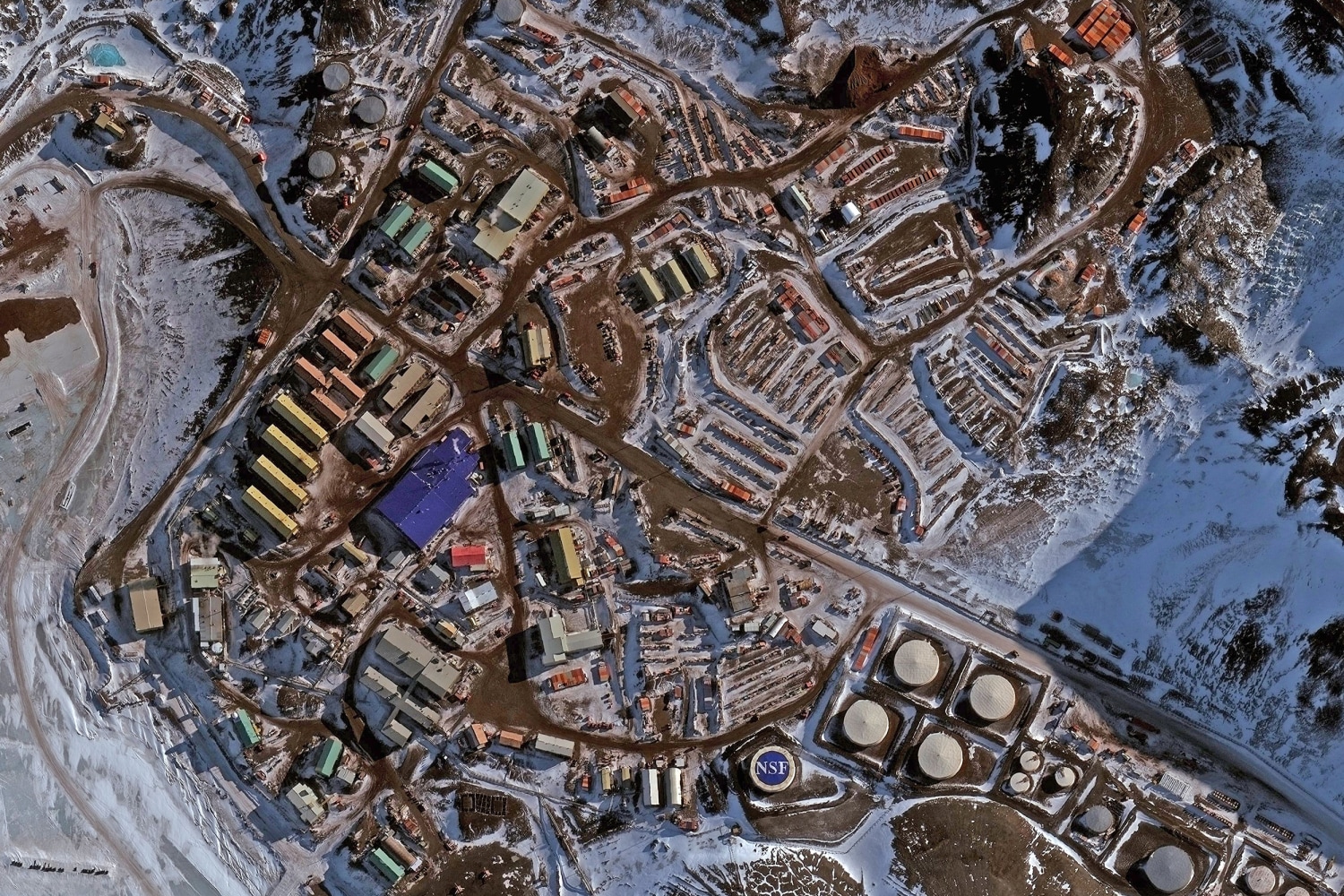
It’s not exactly the Antarctica you see in the brochures.
One of the more surprising things about McMurdo is that during summer, the station itself often isn’t particularly snowy.
It’s built on bare volcanic rock.
There are dirt roads, warehouses, shipping containers, fuel tanks, heavy equipment and utility lines running everywhere.
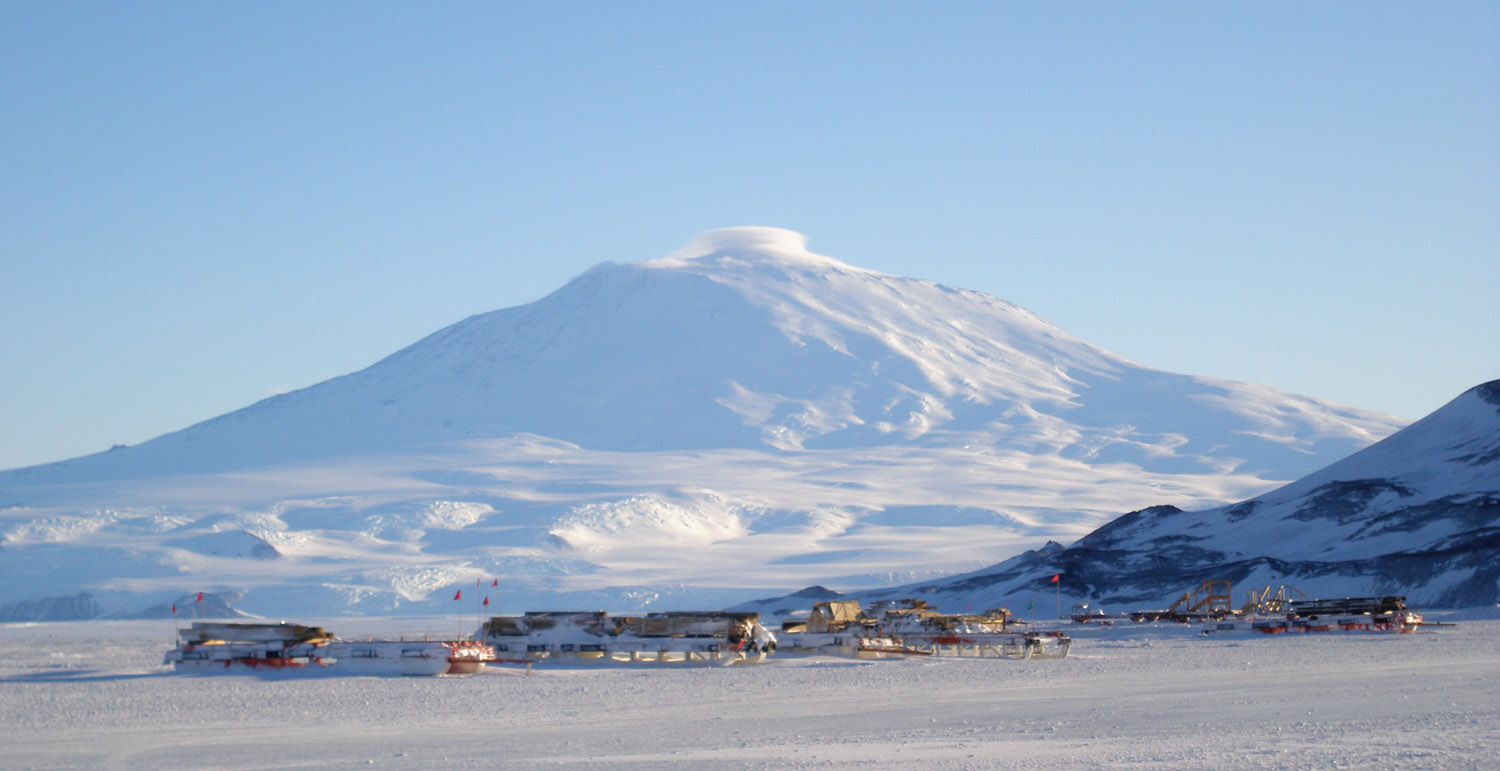
Oh yeah. The volcano.
About 25 miles away is Mount Erebus, the southernmost active volcano on Earth.
And “active” doesn’t just mean some scientist detected a little seismic activity.
Erebus has a persistent lava lake in its summit crater — one of only a handful on Earth.
So while Madi is living on a continent containing about 90% of the world’s ice, there’s a lake of molten rock just up the road.
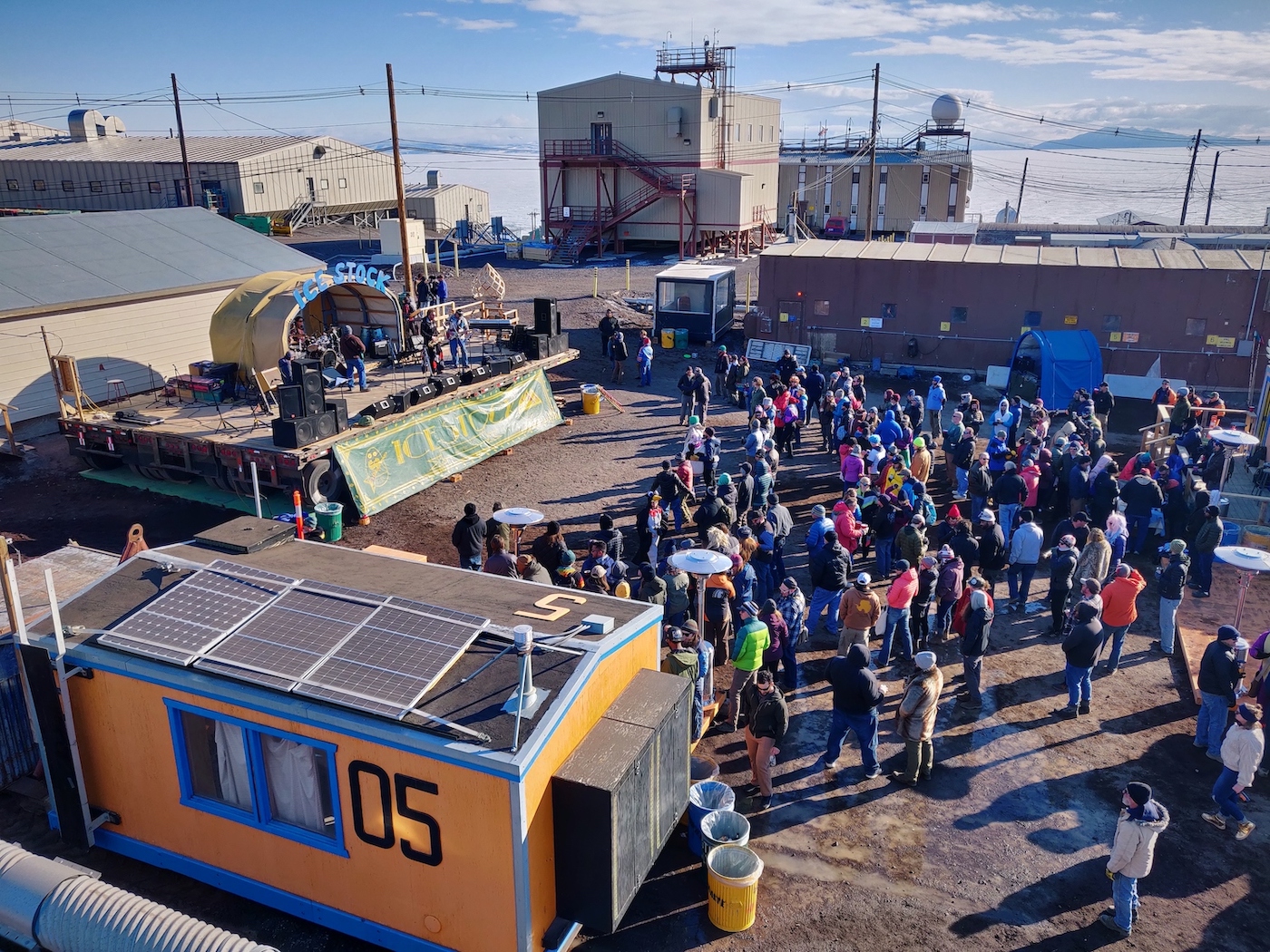
It takes a LOT of people to do science.
Scientists may be the reason McMurdo exists, but scientists need electricity. And food. And heat. And working toilets.
So McMurdo also needs mechanics, electricians, plumbers, carpenters, cooks, firefighters, IT people, doctors, equipment operators, cargo handlers and all kinds of other people keeping the place running.
It’s really an entire little civilization whose purpose is to make science possible in a place where humans aren’t particularly well designed to live. McMurdo Station has a seasonal population that ranges from about 1,000 to 1,200 people during the summer peak and drops to roughly 150 to 200 people during the dark winter months!
Someone might be studying climate change.
Someone else is fixing a bulldozer.
Somebody somewhere is unclogging a toilet.
Everybody is essential.
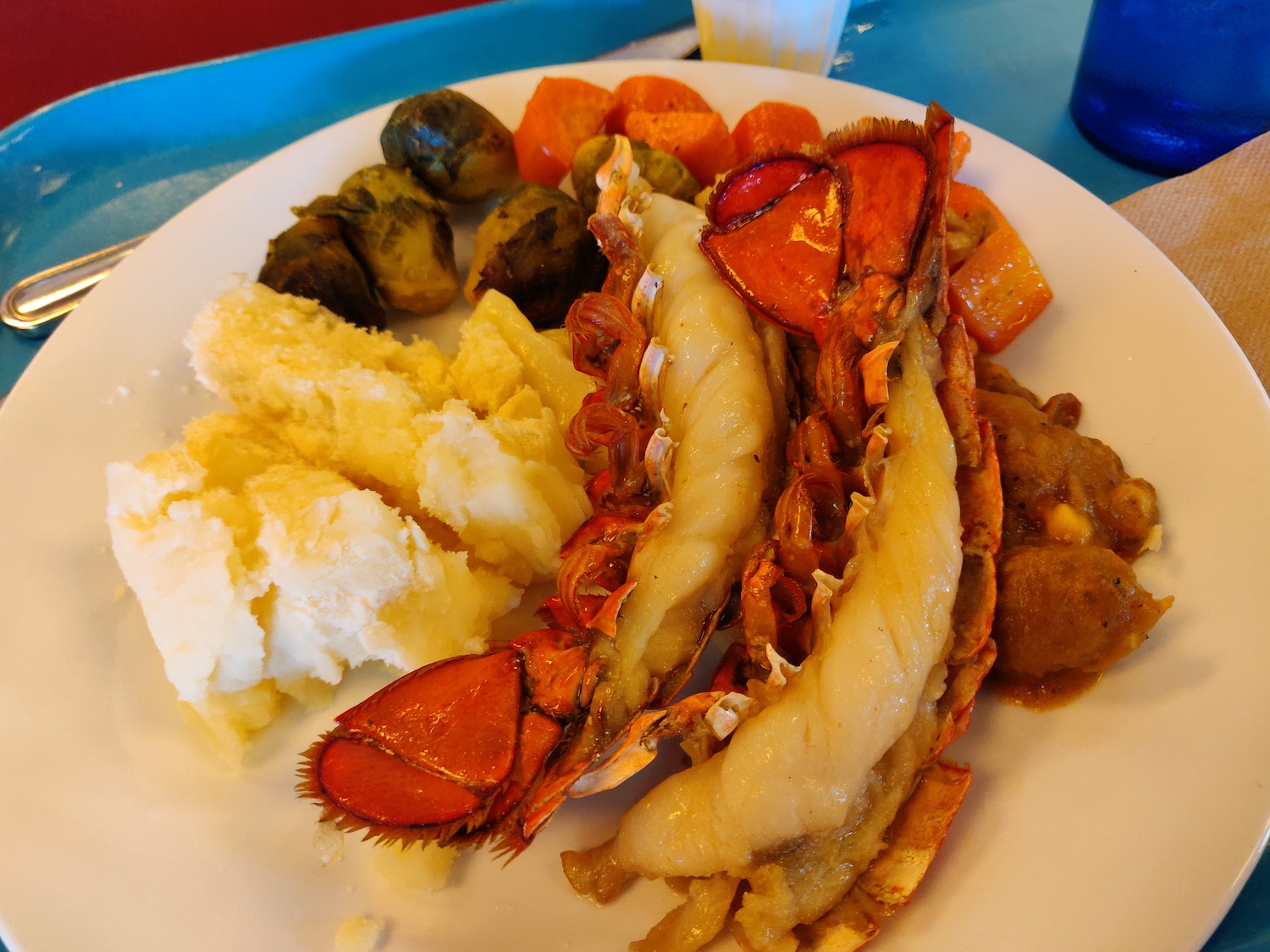
Almost everything has to come from somewhere else.
Food. Fuel. Construction materials. Replacement parts. Scientific equipment. Vehicles. Toilet paper.
If McMurdo needs it, somebody had to figure out how to get it to Antarctica.
A lot arrives by aircraft, while huge quantities of supplies and fuel come in during the annual ship resupply.
Which helps explain why fresh fruits and vegetables – “freshies” – can become a surprisingly big deal.
Six months down there and Madi may finally appreciate all those vegetables she was made to eat as a kid.
Playing the long game…
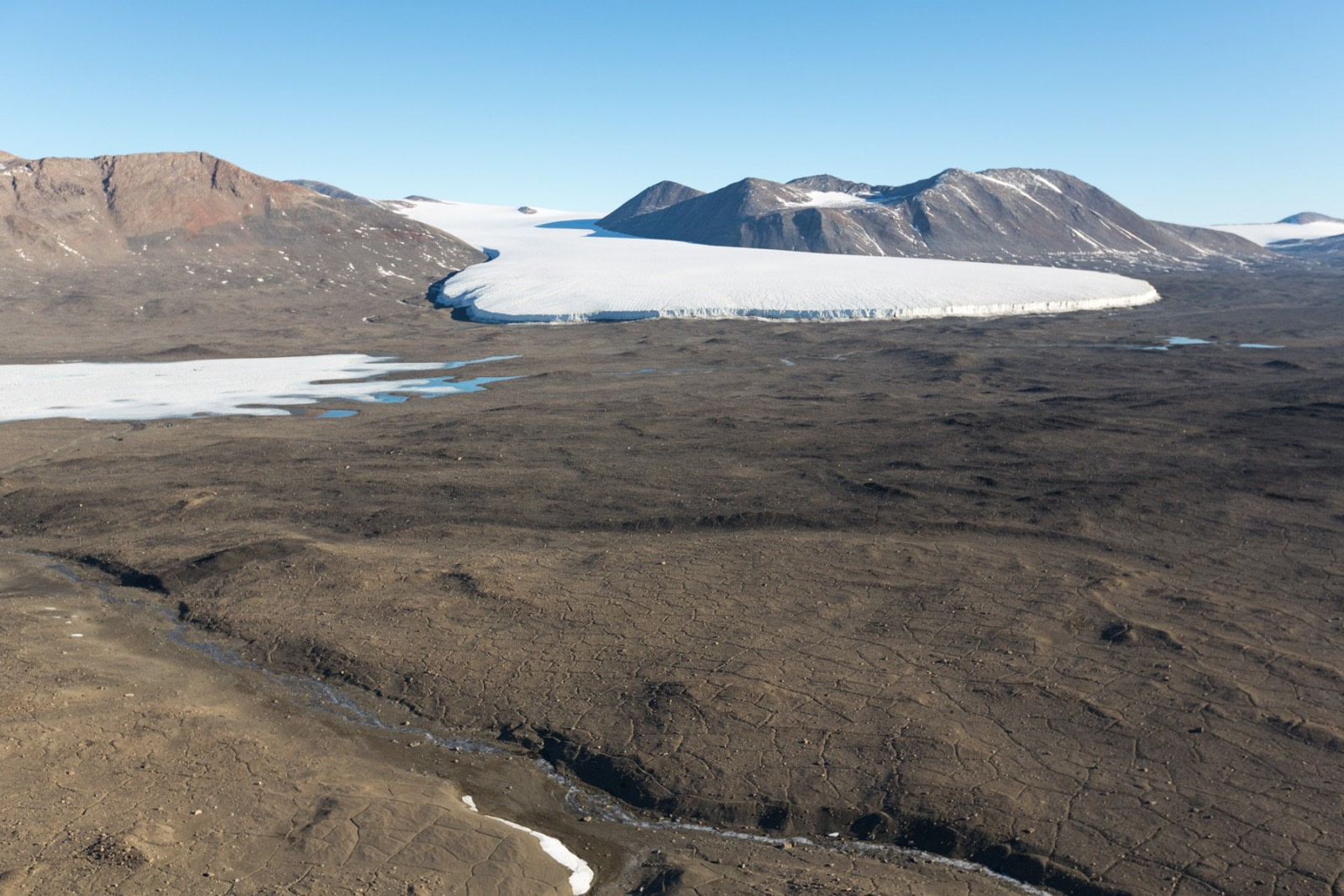
The neighborhood also includes something resembling Mars.
Not too far from McMurdo are the McMurdo Dry Valleys, one of the strangest places on the planet.
Despite being in Antarctica, large areas are essentially snow- and ice-free. They’re so cold, dry and barren that scientists study the region as an analogue for environments on Mars.
Apparently Antarctica itself wasn’t quite remote enough.

Penguins, yes. Polar bears, no.
The Ross Sea region is home to Adélie and emperor penguins, Weddell seals, skuas and whales, and wildlife does occasionally show up around McMurdo.
But it’s not like penguins are wandering through town asking where the dining hall is.
And the animals are protected, so humans give them the right-of-way.
Which seems fair.
They were there first.
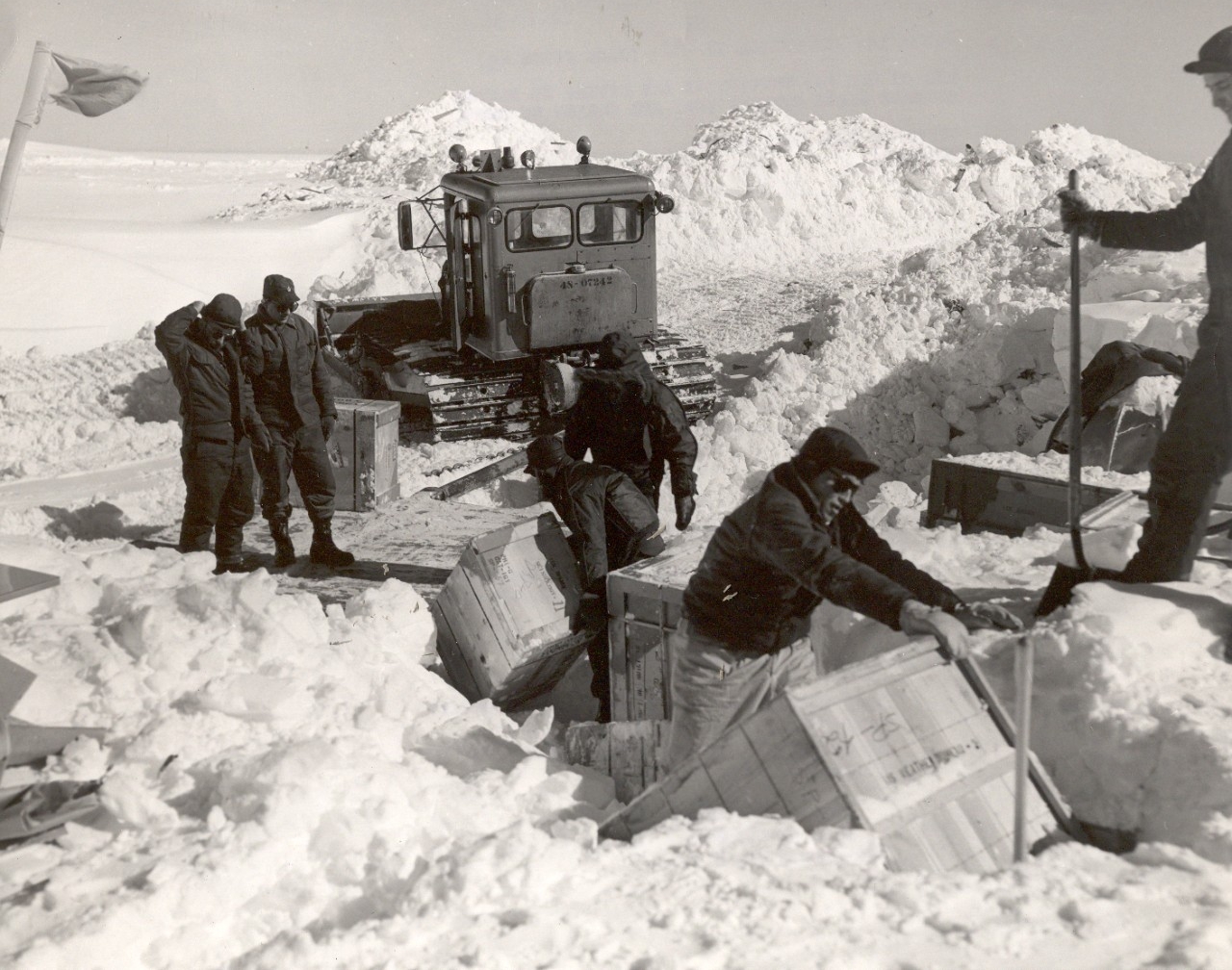
The history of McMurdo.
McMurdo was originally built in 1955 as part of Operation Deep Freeze and was basically intended to help establish and supply the new South Pole Station.
Nearly 70 years later, it’s still the main U.S. logistics hub for Antarctic science.
More than 2,000 people pass through McMurdo in a year, many headed to research sites much farther into the continent.
So McMurdo isn’t just a destination. It’s basically the world’s weirdest airport hub.

And then there’s the scale of the place.
This may be what photographs have the hardest time capturing.
McMurdo itself is busy and industrial. But step away from it and there’s McMurdo Sound, the Ross Ice Shelf, mountains, sea ice and Mount Erebus towering over everything.
And then…Nothing.
No suburbs beyond the mountains. No interstate on the other side. No town 30 miles down the road.
Just an absolutely enormous amount of planet.
Holy crap. Madi is living in Antarctica.
That’s really f’ing cool.
And yeah…
I’m pretty darn proud of her.
And for some more quick hits, I thought this: was a pretty good list.
2 Comments
Pretty amazing. Great background. We’re proud, too.
Who knew there were vicious sky turkeys in Antarctica.